🔎 New in Nature Communications: “Spurious precision in meta-analysis of observational research.”
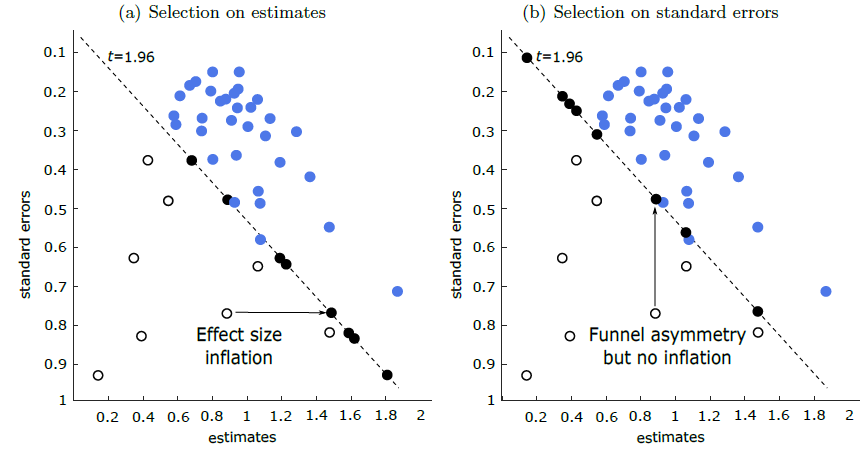
Sometimes studies appear too precise because their reported uncertainty reflects method choices rather than real evidence strength. This can mislead meta-analyses.
We introduce MAIVE, a simple way to detect and correct such bias, including publication bias and p-hacking.
🖥️ Try it in your browser (free, no coding): https://www.easymeta.org
📄 Paper: https://lnkd.in/eFfrP6H2
📰 Blog: https://lnkd.in/ejkgbU6X
— Kudos to my great co-authors Pedro Bom, Tomas Havranek, and Heiko Rachinger
#metaanalysis #researchmethods #OpenScience #NatureCommunications
Where the short links go: